

FORUM OF CAESAR
FORUM OF AVGVSTVS
TEMPLE OF PEACE
FORUM OF NERVA
TRAJAN’S FORUM

Imperial Fora
The Imperial Fora form a monumental complex beside the Roman Forum in the heart of Rome. Built by successive rulers between the first century BC and the early second century AD, they combined political, religious, judicial, commercial, and commemorative functions. Together, they reveal how Roman public space evolved from the Republic to the Empire, while their architecture expressed the authority and ideals of the emperors who commissioned them.
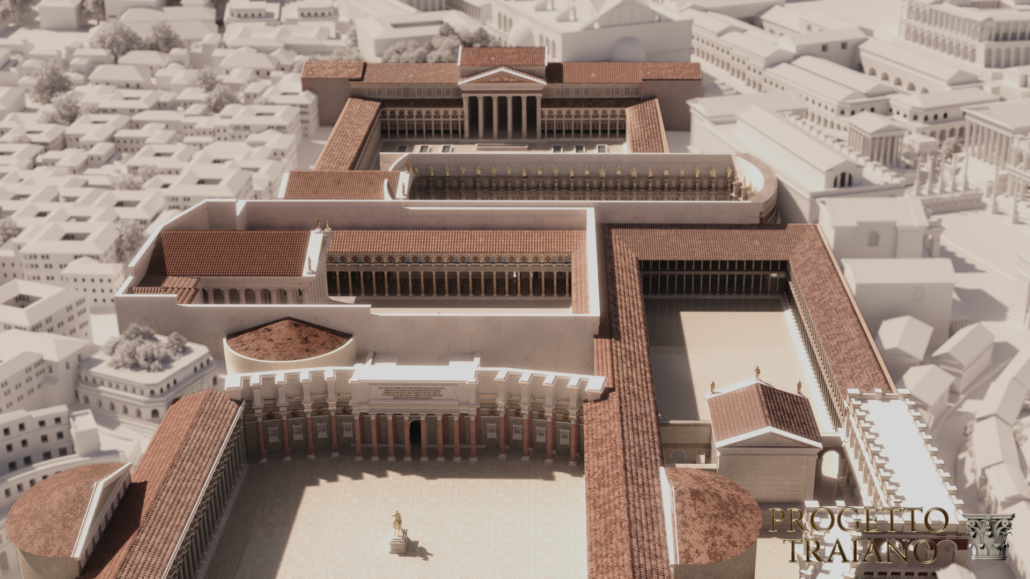
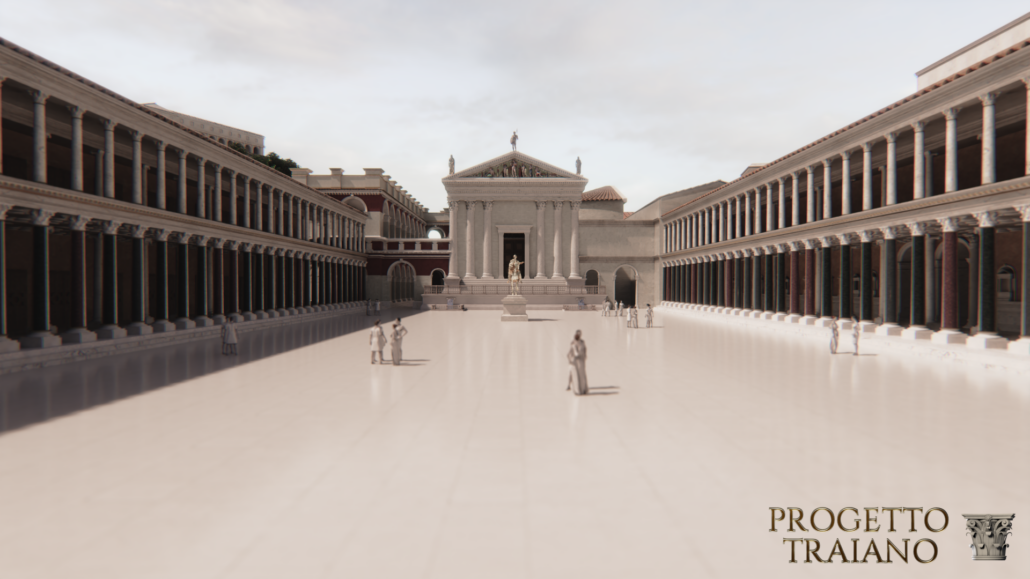
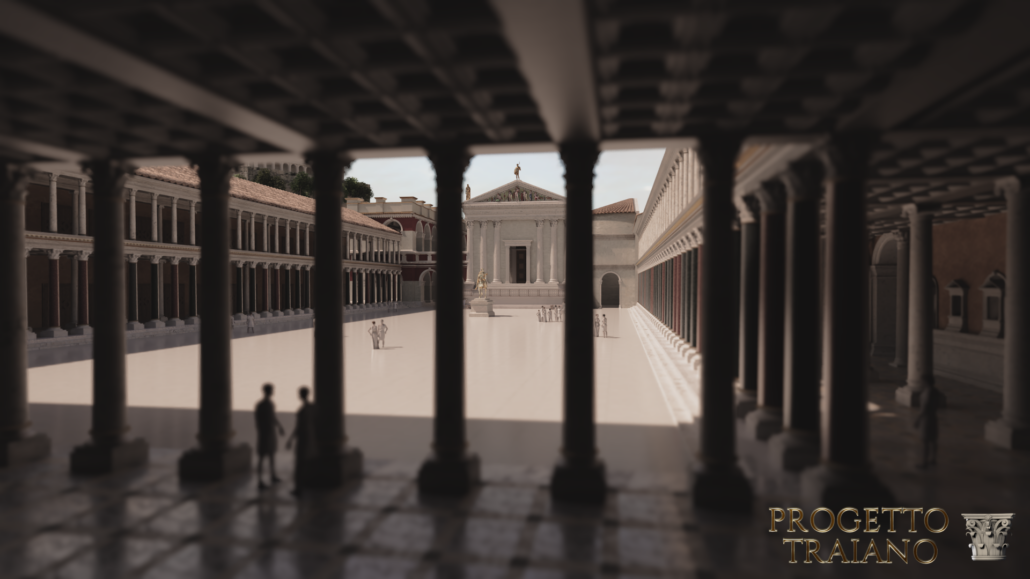
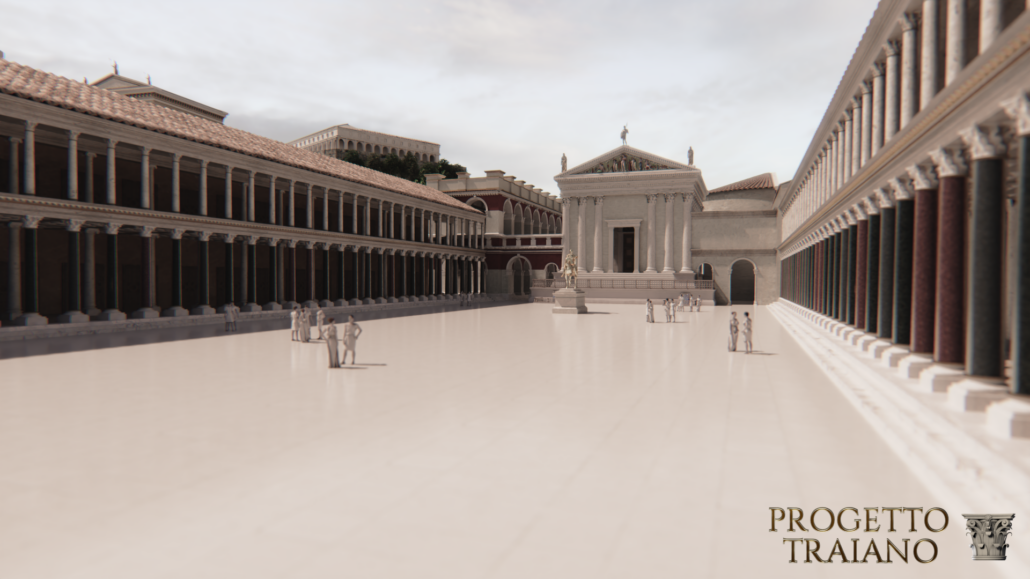
Julius Caesar began the first of these new squares in 54 BC. Intended to relieve pressure on the crowded Roman Forum, Caesar’s Forum also provided a setting closely associated with his political prestige. Its long rectangular piazza was enclosed by porticoes and public buildings, with the Temple of Venus Genetrix standing at the far end. Dedicated in 46 BC, the temple honoured Venus as the divine ancestress of the Julian family, thereby linking Caesar’s power with sacred ancestry and Rome’s legendary origins. The complex also contained works of art and spaces used for legal and administrative business. Although later emperors restored and altered the forum, its original message remained recognisably Caesarian.
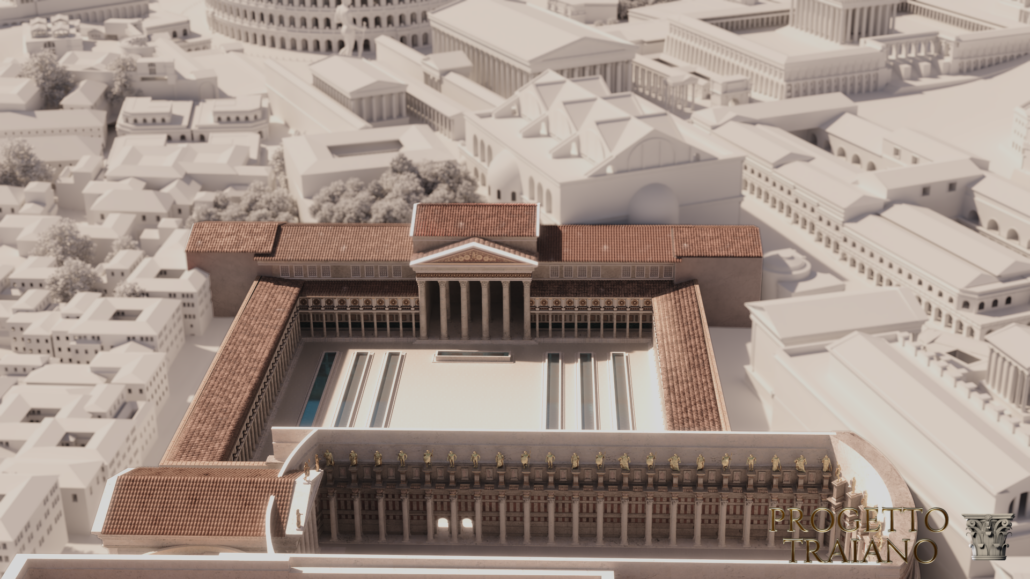
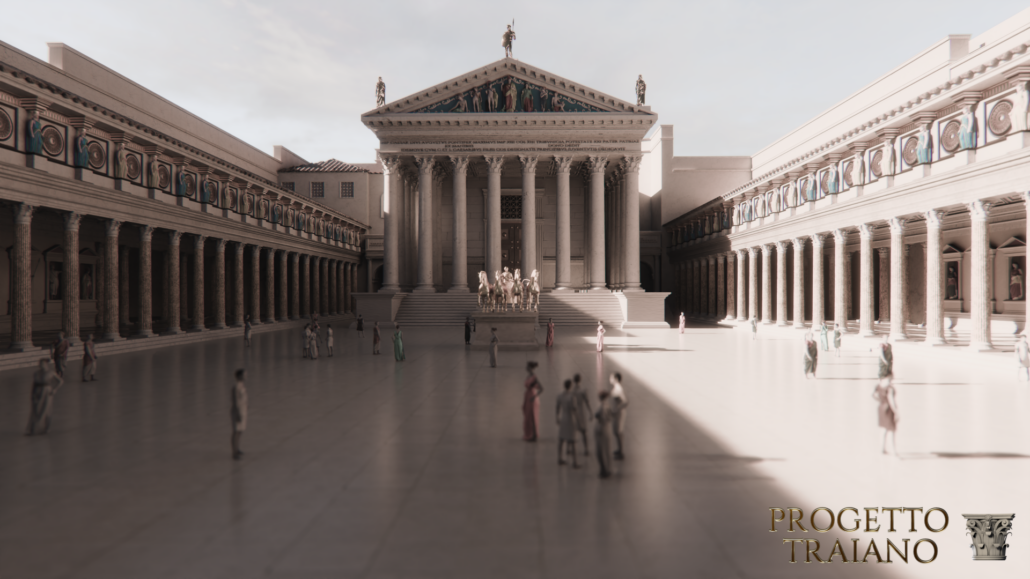
After the civil wars that followed Caesar’s death, Augustus built the next great forum. Inaugurated in 2 BC, although planned much earlier, the Forum of Augustus was dominated by the Temple of Mars Ultor, Mars avenger. Augustus had vowed the temple before the battle of Philippi against Caesar’s assassins, and its cult brought together military victory, filial duty, and the restoration of political order. High enclosing walls protected the complex and separated it from the surrounding district, while porticoes and semicircular exedrae displayed statues of heroes from Roman history. These figures presented Augustus as the heir to Rome’s founders and greatest leaders. The forum hosted ceremonies, judicial proceedings, and decisions concerning war and triumphs, making it both a functioning civic space and a carefully designed statement of Augustan ideology.
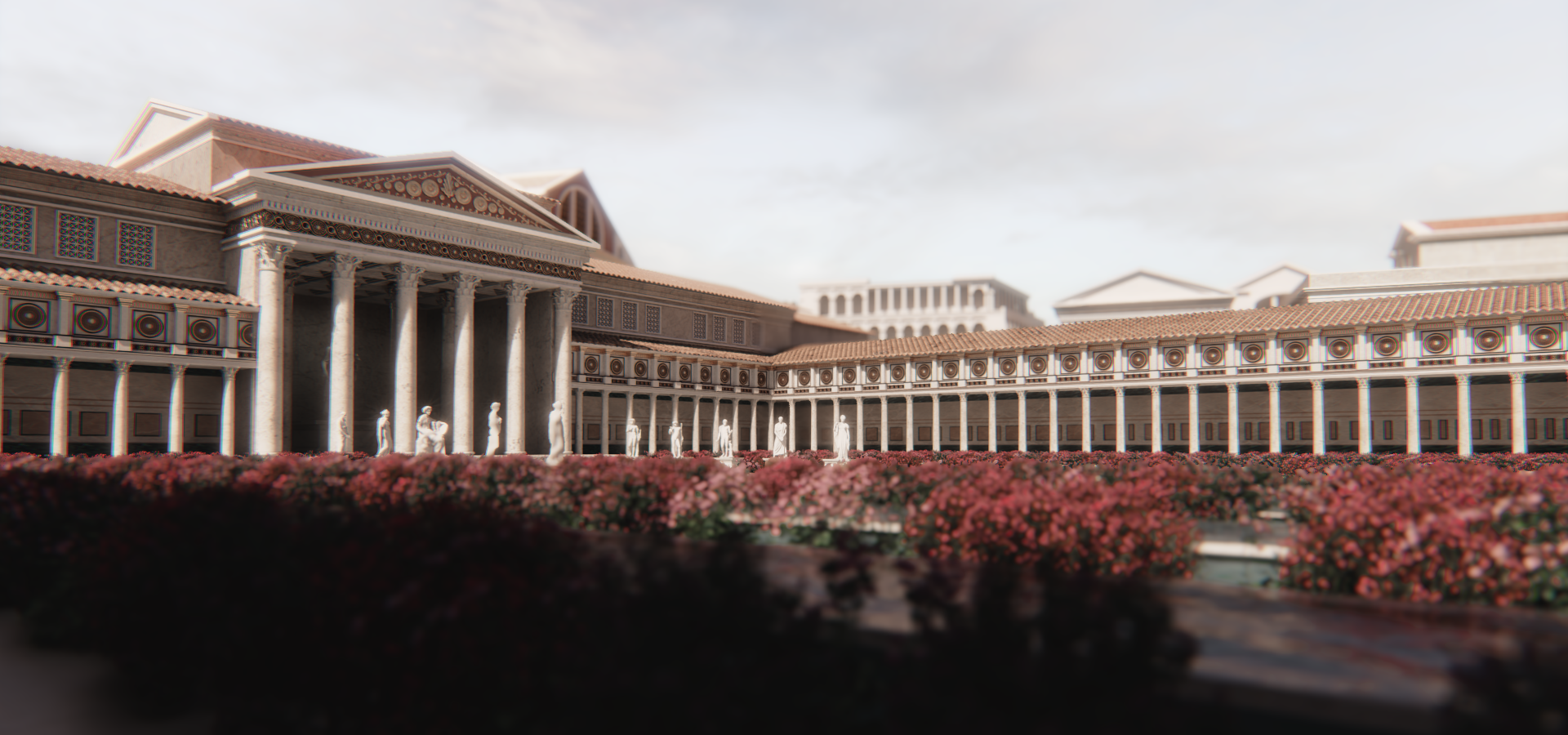
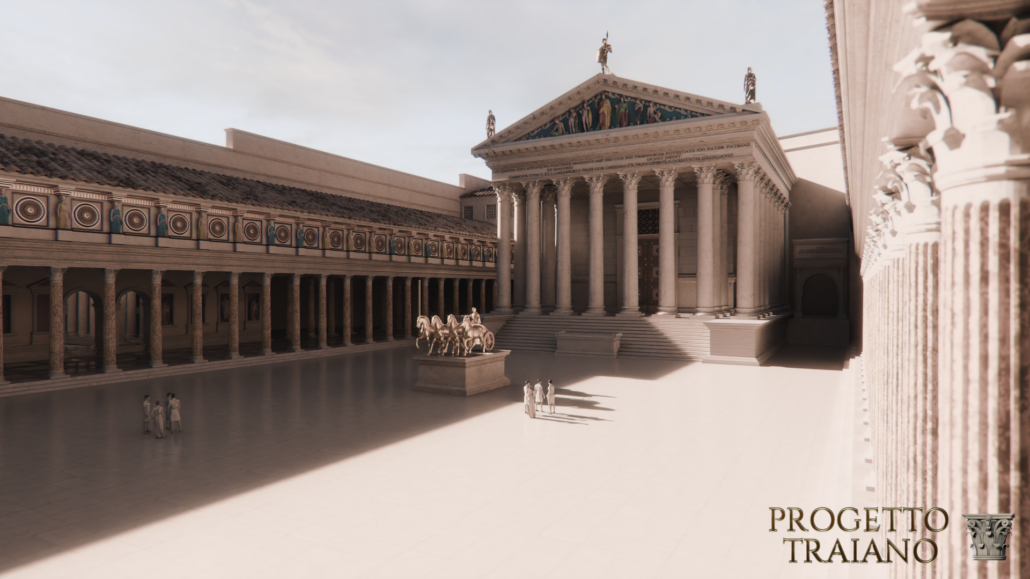
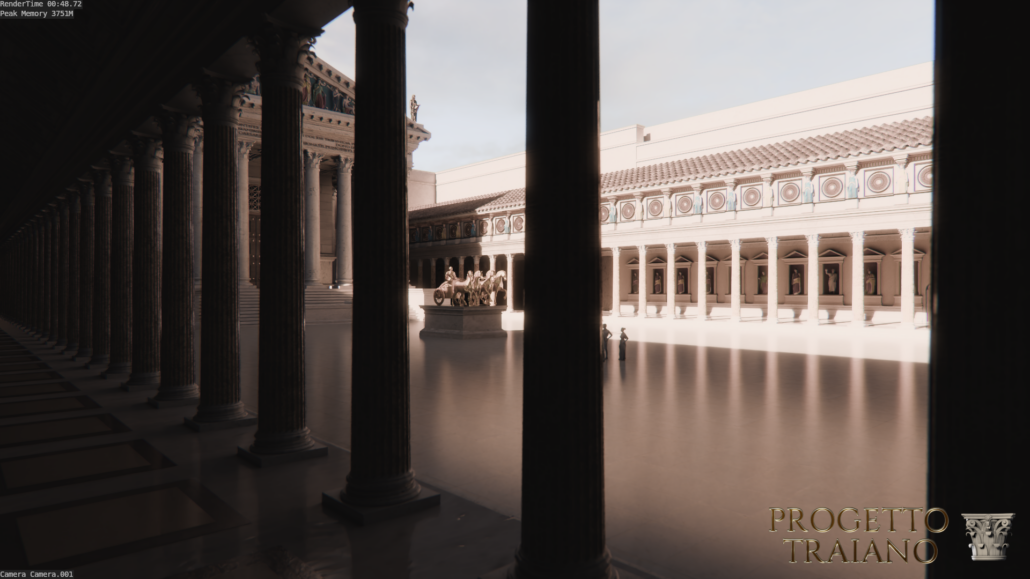
The third complex was built under Vespasian following the civil war of AD 69. Known as the Temple of Peace, or Forum of Peace, it was dedicated in AD 75 to celebrate victory in the Jewish–Roman wars and the return of stability under the Flavians. Its design differed from that of the earlier forums, resembling a vast sacred precinct with gardens. Colonnades surrounded open areas adorned with fountains, sculpture, and precious works of art, while treasures brought from Jerusalem were reportedly displayed within the complex. Libraries and collections also made the site an important centre of culture and learning. In a later period, one of its walls carried the famous marble plan of Rome, the Forma Urbis.
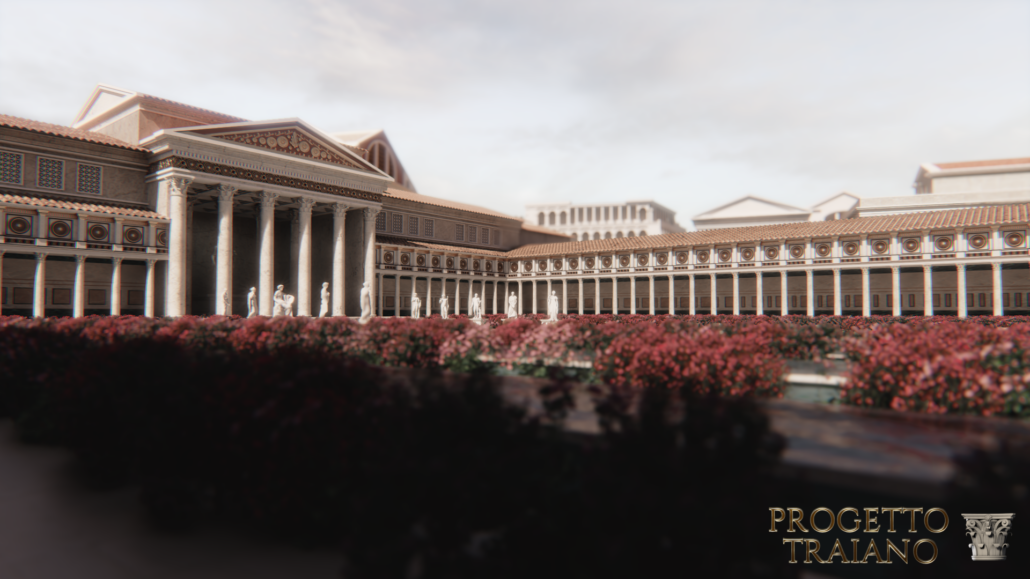
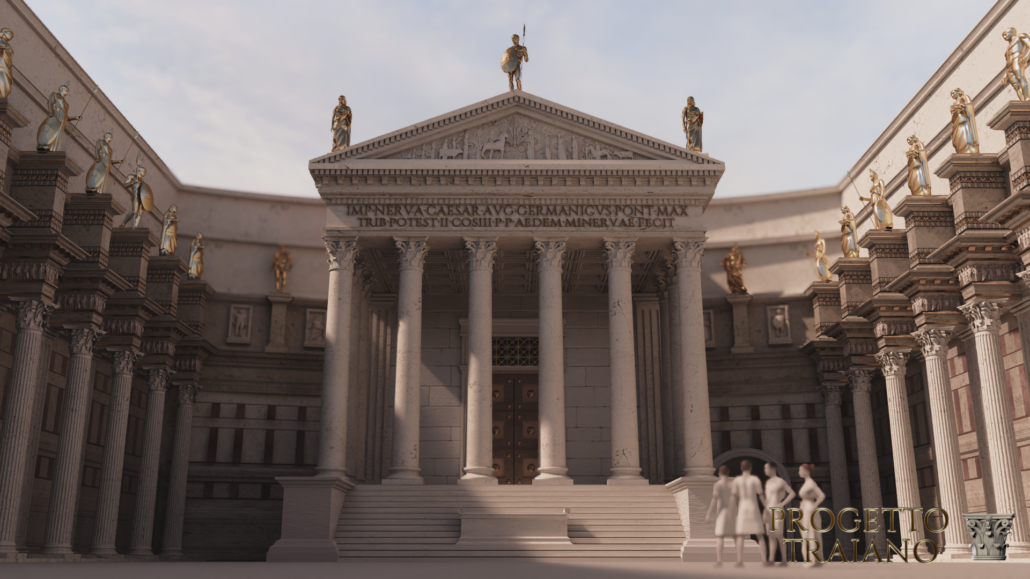
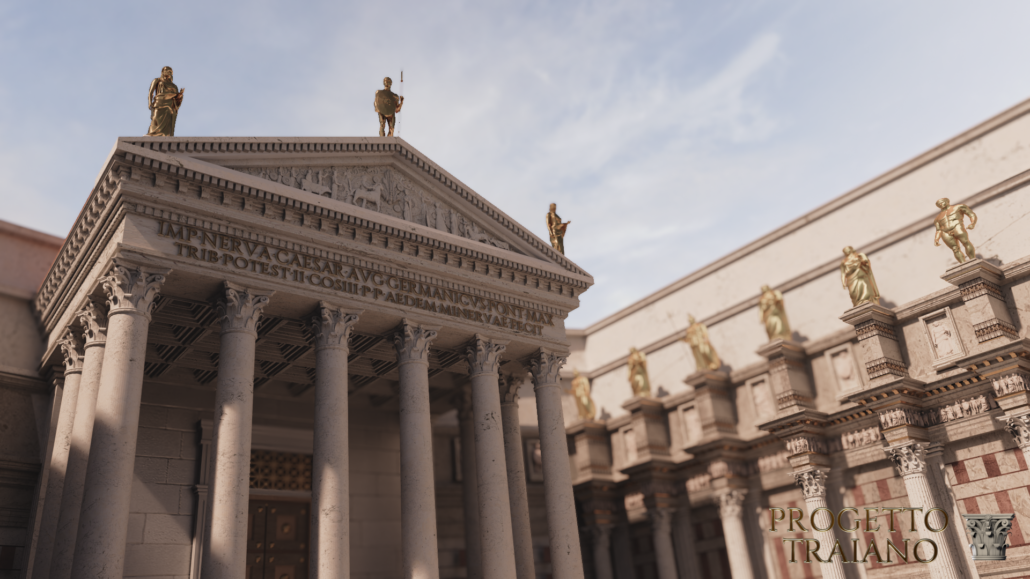
Domitian subsequently began a narrow transitional forum between the older monumental complexes. Completed and dedicated by Nerva in AD 97, it became known as the Forum of Nerva. Since it occupied the route of the Argiletum, it was also called the Forum Transitorium. The constrained site required an ingenious architectural solution based on shallow colonnades. At one end stood the Temple of Minerva, reflecting Domitian’s devotion to the goddess. The surviving section known as the Colonnacce preserves columns and an ornate sculpted attic whose reliefs refer to traditional female work and myths associated with Minerva. In this way, the forum linked existing public spaces while giving the passage a monumental imperial character.
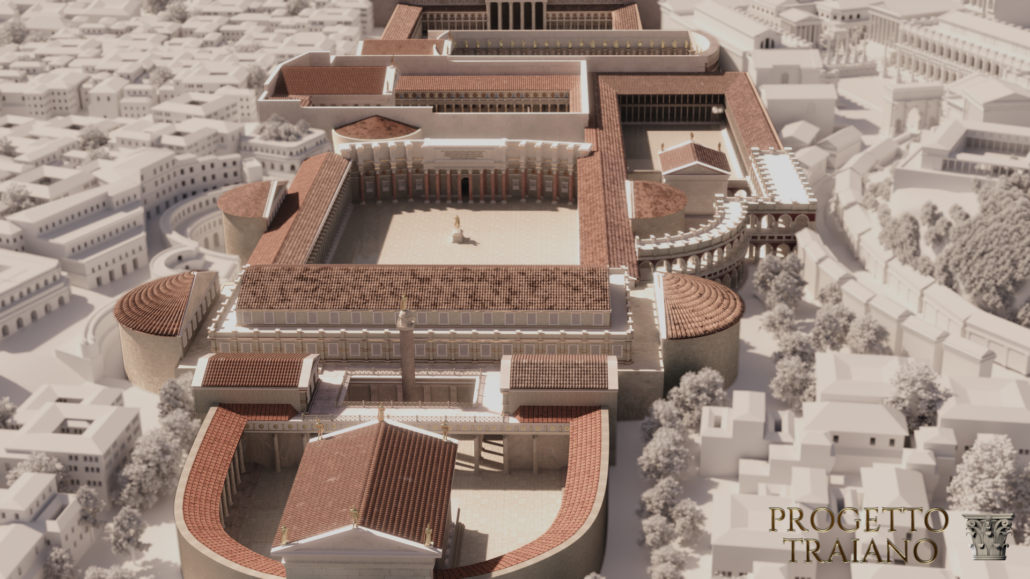
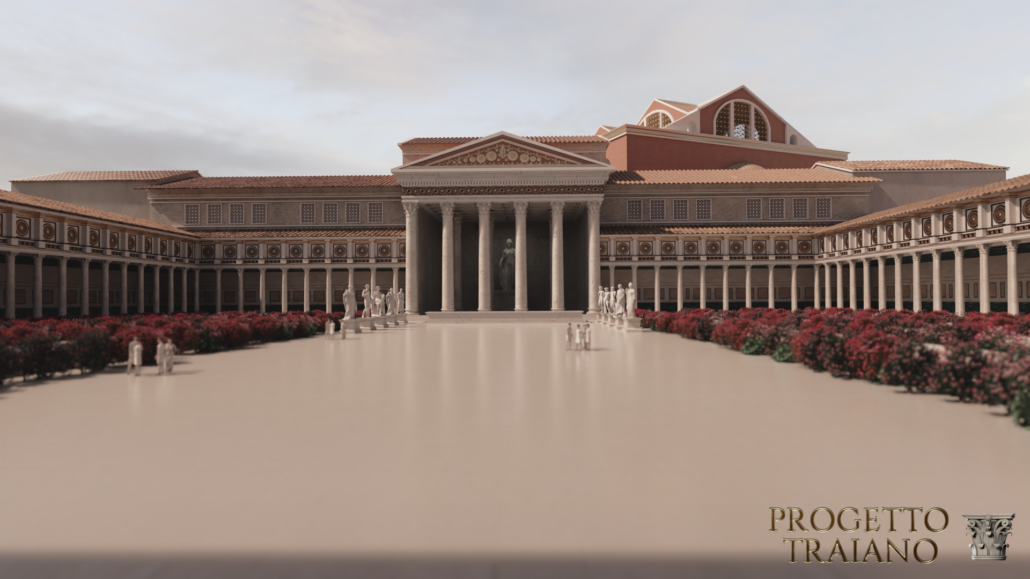
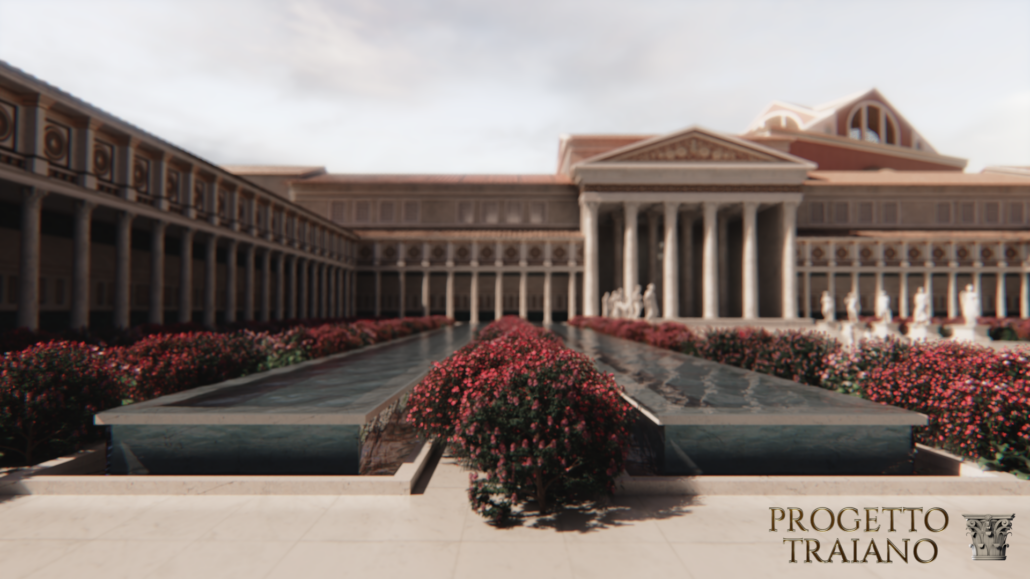
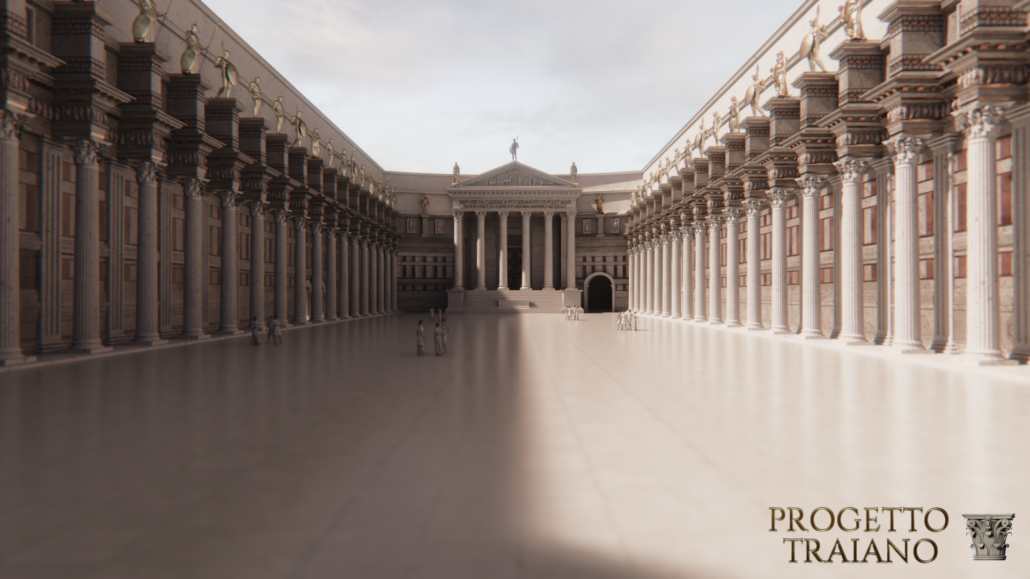
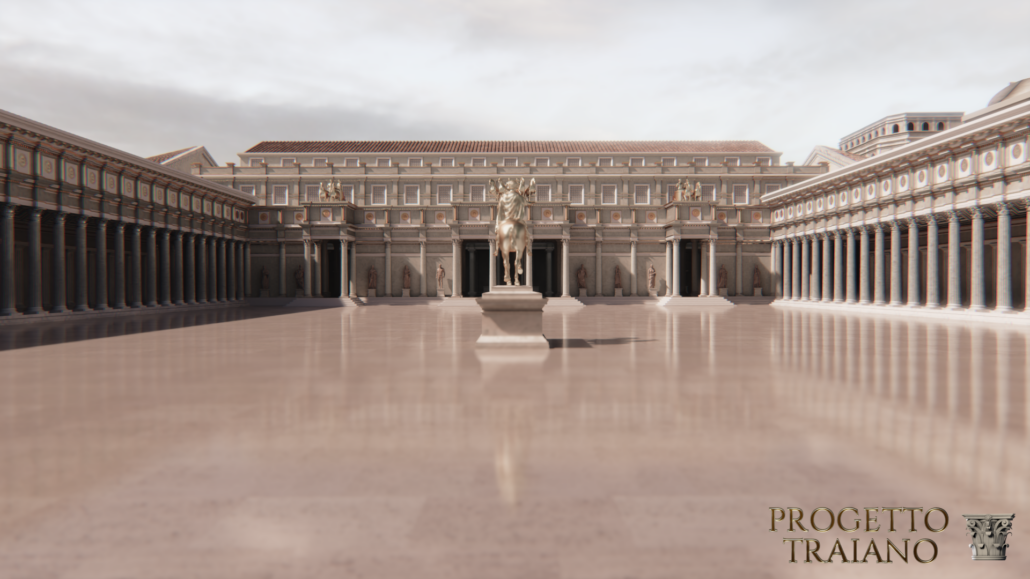
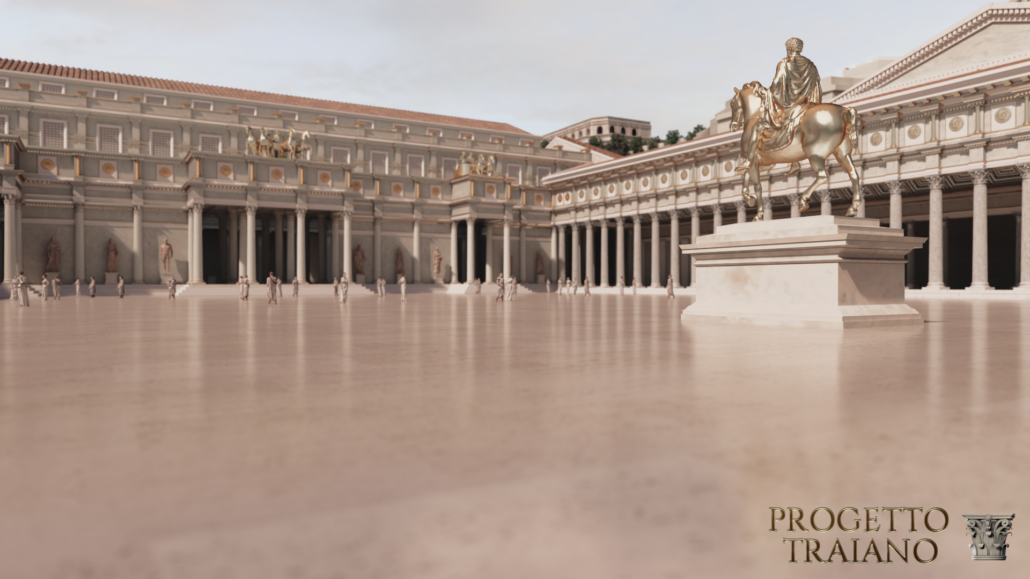
Trajan’s Forum was the last, largest, and most ambitious of the Imperial Forums. Designed by Apollodorus of Damascus, it was inaugurated in AD 112 after extensive excavation of the saddle between the Capitoline and Quirinal hills. Its immense piazza led to the Basilica Ulpia, one of Rome’s greatest civic basilicas. Beyond it stood Greek and Latin libraries flanking Trajan’s Column, dedicated in AD 113 and decorated with a spiral relief narrating Trajan’s Dacian campaigns. Nearby structures commonly known as Trajan’s Markets formed a multilevel complex of streets and rooms. The forum thus celebrated conquest while also providing practical spaces for administration and public life.
Taken together, the five forums transformed the centre of Rome into an architectural history of empire. Their ruins still demonstrate how Roman rulers used urban design to unite memory, religion, government, and power.

